
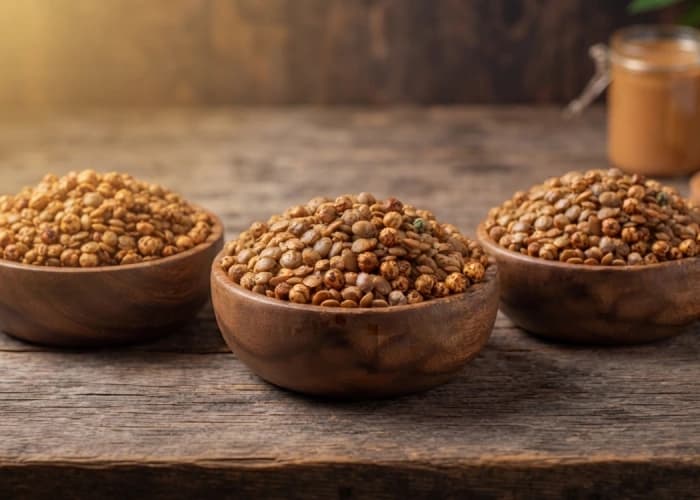
Butterscotch Nuts Sizes: 4 mm vs 6 mm vs 8 mm
Choosing the right butterscotch nuts sizes helps you create the appearance, texture and bite you want in ice cream, cakes and chocolates. For bulk buyers, it also means checking how the pieces perform during production and how much you need per serving.
Choose 4 mm butterscotch flakes for a finer topping, consider 6 mm nuts for medium-sized mix-ins, and trial 8 mm nuts when you want larger, more visible pieces. The final choice should come from testing samples in your actual product.
Whether you run an ice cream business, bakery or confectionery unit, this guide will help you compare the options before placing a bulk order.
Butterscotch Nuts Sizes Compared
Ruby Enterprises offers 4 mm flakes, 6 mm nuts and 8 mm nuts in its butterscotch product range.
These are starting points for product trials. No single size is the best choice for every dessert.
When to Choose 4 mm Butterscotch Flakes
4 mm butterscotch flakes are worth considering when your dessert needs a fine topping or a smaller inclusion.
A miniature pastry, for example, has less space for decoration than a large sundae. A finer format lets you explore a different finish without building the presentation around large chunks.
Applications to Trial
Try the flakes in:
Cake and pastry decoration.
Dessert garnishes.
Chocolate fillings.
Ice cream and sundae toppings.
Check their appearance on the finished product. Flakes that stand out against white cream may look different against caramel or chocolate.
For ideas on dessert formats and presentation, explore Callebaut’s professional recipe, then develop your own application using the selected butterscotch sample.
What to Check Before Ordering
Measure the quantity used on each portion and assess the result after packing and storage.
Ask whether the flakes provide enough texture, whether the topping stays evenly distributed and whether handling changes the appearance.

When to Choose 6 mm Butterscotch Nuts
6 mm butterscotch nuts offer a middle option to compare against fine flakes and larger pieces.
Include this size in your trials when you want noticeable inclusions throughout a product, such as an ice cream scoop or cake filling.
Applications to Trial
Consider testing 6 mm pieces in:
Ice cream mix-ins.
Sundaes.
Cake fillings.
Pastry toppings.
For ice cream, assess both the inclusion and the surrounding base. Tetra Pak’s ice cream processing handbook explains how formulation and processing contribute to the texture of the finished ice cream.
What to Check Before Ordering
Take samples from several finished portions rather than judging one scoop or slice.
Record whether the pieces are distributed consistently, how they feel at serving temperature and whether your mixing process causes unwanted breakage.
Buyer tip: Use the same base recipe and starting inclusion quantity when comparing different sizes.
When to Choose 8 mm Butterscotch Nuts
8 mm butterscotch nuts are worth trialling when larger pieces are part of the intended appearance and eating experience.
The key question is whether that larger format fits your finished product. A piece that suits a generous sundae may feel oversized on a small pastry.
Applications to Trial
Consider 8 mm pieces for:
Ice cream toppings.
Chocolate bars.
Dessert decoration.
Larger bakery portions.
For chocolate applications, check mould depth and the amount of chocolate surrounding each piece. If your team needs broader technique training, Chocolate Academy’s learning resources cover chocolate confectionery, bakery and pastry applications.
What to Check Before Ordering
Inspect the finished product after handling and packing. Check the visibility of the pieces, the balance of each bite and any breakage during production.
Which Butterscotch Size Should You Choose for Your Product?
Butterscotch Nuts for Ice Cream
First decide whether the pieces will be mixed into the ice cream or added on top.
For mix-ins, include 6 mm nuts in your initial comparison. For toppings, compare 4 mm flakes with 8 mm pieces to assess a finer finish against a more visible garnish.
Test at your normal serving temperature and after the intended storage period. Size alone does not establish crunch retention.
Butterscotch for Cakes and Pastries
Match the format to the portion and placement.
Start by comparing flakes for surface decoration, medium pieces for fillings and larger pieces for prominent toppings. These uses can overlap, so evaluate the actual slice or pastry before deciding.
If you are also exploring different ingredient options, compare Ruby Enterprises’ pralines for cakes and desserts.
Butterscotch for Chocolate Products
Test the pieces in the actual mould, filling or coating process you intend to use.
Check whether the inclusion fits comfortably, whether it stays distributed and whether the final product breaks or cuts as intended.
When building a wider product range, review the available dessert toppings alongside your butterscotch trials.

What to Check When Buying Bulk Butterscotch Nuts
Choosing the size is only one part of a bulk purchase. Ask for the specification and commercial terms for the exact format you want.
Product Specifications
Request confirmation of:
Nominal size and size tolerance.
Expected proportion of smaller fragments or fines.
Ingredients and allergen information.
Packaging options.
Shelf life and recommended storage conditions.
Do not assume all three formats have identical formulations or storage requirements.
Minimum Order Quantity and Pricing
Ask for the MOQ, lead time and quotation for your chosen format.
Compare quotes using the same quantity, packaging and delivery basis. Confirm whether freight and applicable taxes are included.
Review the Ruby Enterprises product catalogue before preparing your enquiry so you can identify the exact products you need.
Run a Sample Trial Before Placing a Bulk Order
A simple comparison gives your purchasing team a clearer basis for selection.
Choose the sizes you want to compare.
Use the same base recipe for each trial.
Measure the starting inclusion quantity.
Run the samples through your normal process.
Assess appearance, distribution and bite.
Recheck after the intended storage period.
Record cost per serving and choose the most suitable option.
For teams developing a more structured product evaluation process, the Institute of Food Technologists’ sensory science resources offer further context on sensory and consumer evaluation.
Your own trial results should determine the final choice.
Frequently Asked Questions About Butterscotch Nuts Sizes
What Is the Difference Between 4 mm Flakes and 6 mm Nuts?
The 4 mm option is a smaller, thin flake format, while 6 mm nuts are medium-sized pieces. Compare both shape and size when assessing coverage, distribution and bite.
Are 8 mm Butterscotch Nuts Better Than 6 mm Nuts?
Neither is universally better. Choose according to the portion size, desired appearance and performance in your recipe.
Can I Use One Butterscotch Size for Both Ice Cream and Cakes?
You may be able to, but test it in both products. The same inclusion can give a different result in frozen ice cream, a cake filling or a surface topping.
Do Larger Butterscotch Nuts Stay Crunchy Longer?
Size alone cannot guarantee longer crunch retention. Ask for product-specific guidance and test the samples under your intended processing and storage conditions.
What Should I Include in a Bulk Enquiry?
Share the required format, application, estimated quantity, delivery location and preferred packaging. Request the specification, MOQ, lead time and current pricing.
Enquire About the Right Butterscotch Size for Your Business
Start with the format that suits your dessert: fine flakes, medium pieces or larger inclusions. Then confirm the choice through a sample trial.
Ruby Enterprises offers 4 mm butterscotch flakes, 6 mm nuts and 8 mm nuts for dessert applications.
Contact Ruby Enterprises for a bulk enquiry. Share your application, preferred size, order quantity and delivery location, and ask about samples and current supply options.