
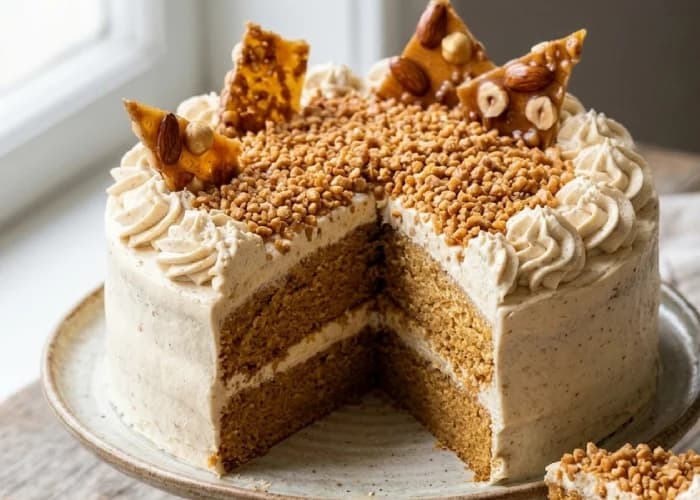
Best Butterscotch Nuts Cake Decoration and Toppings
A memorable cake needs more than a beautiful finish. Soft sponge, smooth cream, caramel flavour and a little crunch work together to make every slice enjoyable. A Butterscotch Nuts Cake offers that contrast, whether it is prepared for a birthday, café display or family celebration. For bakers, the key is choosing pieces that suit the cake size and applying them at the right stage.
This guide explains practical decoration techniques, ingredient sizes and common mistakes.
Understanding Butterscotch Nuts Cake Flavour and Texture
A typical butterscotch cake combines sponge, frosting and caramel-like sweetness. Crunchy nut inclusions provide texture that cream alone cannot deliver. Use enough for noticeable crunch without overpowering the cake.
Start by tasting the sponge and frosting together. If both are sweet, reduce the caramel drizzle and use a modest quantity of nuts. For a lighter vanilla cake, the same pieces can become a more prominent flavour accent. The best Butterscotch Nuts Cake tastes balanced rather than simply sweeter.
Butterscotch Nuts for Cake Decoration
Ruby Enterprises offers 4 mm butterscotch flakes, 6 mm butterscotch nuts and 8 mm butterscotch nuts. These sizes give bakers flexibility in texture and presentation. Matching sizes improves consistency.
4 mm Flakes for Delicate Finishes
Fine flakes suit compact pastries, fine borders and thin side coatings. They distribute easily over frosted surfaces without hiding detailed piping. Use them when a subtle golden finish matters more than a bold crunch.
6 mm Nuts for Fillings and Garnishes
Medium pieces can be sprinkled between sponge layers or across the top of a finished cake. Their visible texture makes them a versatile starting point when experimenting with new recipes.
8 mm Nuts for Decorative Accents
Larger pieces work well in selected clusters on celebration cakes. Use them sparingly on small portions so the decoration remains easy to slice and eat.
Creative Butterscotch Nuts Cake Decoration Ideas
Consider the overall look before adding toppings. A golden border around white frosting creates contrast, while a half-moon arrangement on top suits a more minimal presentation. A light caramel drizzle can connect the colours without covering the whole cake.
For a celebration cake, pipe cream rosettes around the edge and place a few crunchy pieces between them. Another option is to coat just the lower third of the sides with flakes. This leaves space for decoration.
A Butterscotch Nuts Cake looks polished with intentional spacing.
Small Butterscotch Nuts Cake Ideas
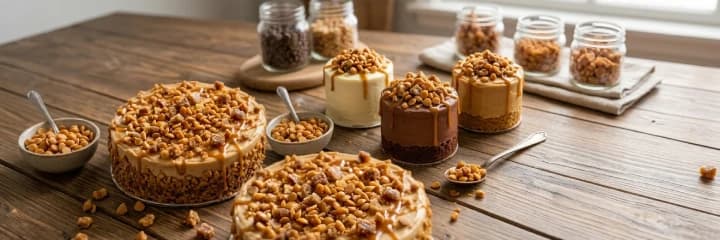
A small butterscotch nuts cake needs restraint because a compact surface can become crowded quickly. Try a smooth cream finish, a narrow ring of fine flakes and a single caramel swirl. Two or three cream rosettes provide enough structure without overwhelming the design.
For individual dessert portions, use small butterscotch nuts cake decorations such as a partial edge coating or a light central sprinkle. Avoid bulky clusters that make one bite disproportionately crunchy. Mini cakes should remain comfortable to cut, carry and serve.
Essential Cake Decoration Ingredients
Good cake decoration ingredients must work together rather than compete. Start with a fully cooled sponge, stable frosting, a controlled amount of caramel sauce and dry crunchy inclusions. Chocolate curls or cream piping can supply contrast without requiring many extra elements.
When selecting cake decoration ingredients, consider transport and display conditions. A topping that stays crisp on a freshly finished cake may soften after refrigeration. Runny caramel can spoil neat borders.
Test a sample under the same conditions customers will experience. This is especially useful for bakeries preparing cakes in advance.
Popular Toppings For Cakes and Flavour Pairings
Among popular Toppings For Cakes, caramelised nuts are versatile because they pair with vanilla, chocolate, coffee and caramel. Vanilla sponge highlights their sweetness; chocolate adds depth; coffee provides a slightly bitter contrast. Adjust the quantity for each recipe rather than assuming one measurement suits everything.
Bakeries selling multiple flavor cakes can use the same ingredient in different ways. For example, lightly sweetened chocolate cream may need only a small sprinkle, whereas vanilla pastries can carry a more noticeable crunchy layer. For businesses offering seasonal flavor cakes, carefully selected inclusions can refresh the menu without changing the underlying sponge recipe.
Compare several cake toppings together before finalising a product. Taste the complete slice. The best cake toppings enhance flavour and eating texture without making the finish excessively heavy.
Step-by-Step Butterscotch Nuts Cake Decoration
Bake the sponge and let it cool completely before slicing it into even layers.
Prepare whipped cream or buttercream with a sweetness level that suits the filling.
Spread a thin, even layer of cream and sprinkle a measured amount of medium-sized nuts on top.
Stack the remaining sponge layers carefully and apply a smooth outer frosting coat.
Chill the cake when required by your frosting recipe before adding the final decorations.
Press fine flakes gently around the base or selected sides of the cake.
Finish with a few larger pieces and a restrained caramel drizzle, then inspect the result.
A key professional tip is to test the cake after its intended storage period. Moisture can reduce the crispness of pieces placed directly against cream.
Benefits and Limitations of Butterscotch Cake Toppings
Crunchy inclusions provide three clear advantages: they add contrast to soft sponge, contribute caramelised flavour and create an attractive golden finish. Different particle sizes also let bakers adapt a similar decoration idea for cupcakes, pastries and large cakes.
There are limitations. Excessive quantities may make a dessert overly sweet; oversized pieces can interfere with neat slicing; and prolonged contact with wet fillings can soften the crunch. Nut-containing ingredients also require appropriate allergen information and careful handling to reduce cross-contact risks.
Use consistent quantities in repeat production and verify storage performance before placing a decorated cake on sale
Common Mistakes and Professional Decoration Tips
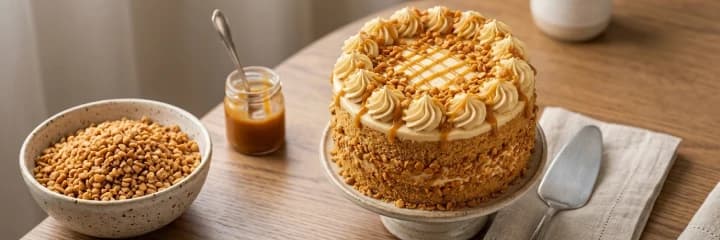
Adding crunchy pieces before the frosting is smoothed can produce uneven borders. Another mistake is using generous caramel sauce alongside already sweet buttercream. Taste everything together and keep the decoration proportionate to the cake.
Do not leave opened toppings exposed to humidity. Use clean, dry utensils and follow the manufacturer's packaging and storage guidance. For commercial orders, measure how much topping goes on each cake so decoration costs and appearance remain consistent.
A practical bakery example is a weekend batch of celebration cakes. Using one measured size for the filling and another for the outer garnish creates a repeatable finish across the entire batch. Staff can reproduce the design easily.
Where to Buy Butterscotch Nuts for Bakery Use
When comparing online butterscotch nuts, look beyond photographs. Check available particle sizes, ingredients, allergen statements, storage guidance and packaging. Request samples when possible so you can evaluate the actual texture in your own recipe.
Ruby Enterprises lists different nut and flake sizes for bakery and dessert applications. If you plan to buy butterscotch nuts for regular production, ask about specifications, minimum order quantities and delivery arrangements. Buyers researching online butterscotch nuts should also confirm whether the selected size suits fillings, surface decoration or both.
Before you buy butterscotch nuts in bulk, complete a small production test. Prioritise consistent texture and appearance across finished cakes.
Conclusion: Choosing Better Crunch for Every Cake
A well-made Butterscotch Nuts Cake balances soft sponge, smooth cream, caramelised sweetness and carefully placed crunch. Selecting the right particle size, avoiding excess sauce and testing storage performance can make a simple recipe feel more refined.
Explore the Ruby Enterprises range to compare formats for your next cake, pastry or dessert project. Contact the company for ingredient specifications and commercial enquiries before placing an order.
Frequently Asked Questions
1. What are butterscotch nuts made of?
They are generally nut inclusions with a caramelised coating. Recipes vary by manufacturer. Ruby Enterprises describes its 8 mm variety as containing cashews, butter and caramelised sugar. Check the specific product label or specification for exact ingredients and allergen information.
2. How do you keep butterscotch nuts crunchy in a cake?
Protect unused toppings from moisture and add exposed decorations closer to serving where practical. Pieces inside cream may gradually soften, so test a finished cake after its expected refrigeration and display time. Follow supplier storage instructions.
3. Which size of butterscotch nuts is best for cake decoration?
Fine 4 mm flakes suit delicate borders; 6 mm pieces suit many fillings and general garnishes; and larger 8 mm pieces create visible decorative accents. Choose according to cake size, slicing convenience and the texture you want customers to experience.
4. Can butterscotch nuts be used in chocolate cakes?
Yes. Their caramelised sweetness can complement chocolate sponge or frosting. Start with a modest quantity and taste a complete slice. A lighter topping application often works better when the chocolate filling is already rich and sweet.
5. Where can I buy butterscotch nuts online?
You can explore the Ruby Enterprises product range and enquire directly about available sizes, specifications and commercial supply. If you need to buy butterscotch nuts for a bakery, confirm packaging, sample availability and minimum order requirements before purchasing.